Speedboat Advertising Is Dead. Long Live Cruise Ships
· General
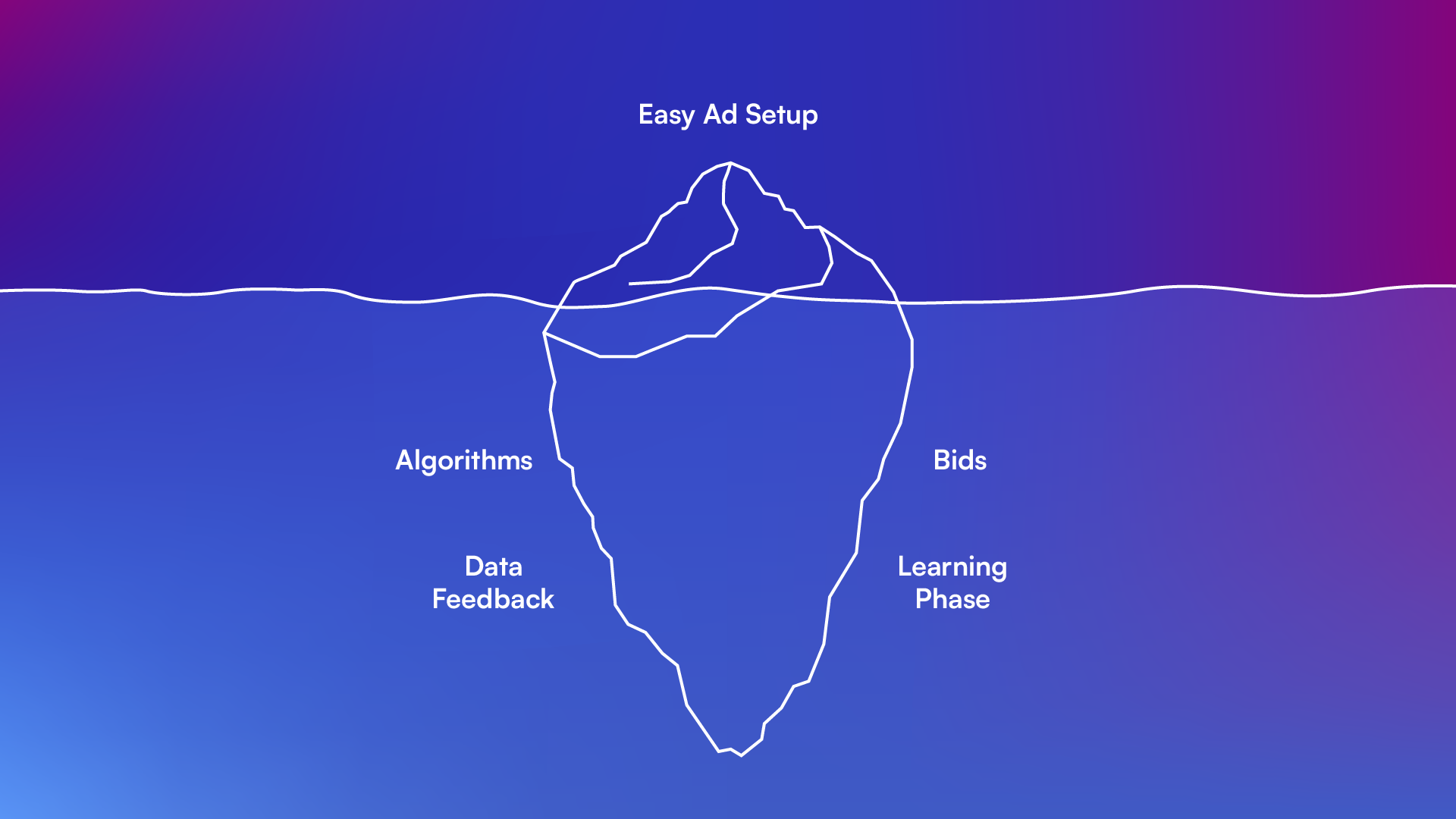
It is so easy to launch ads on Meta and Google. You can do it in a few minutes. The ease of use is the magic of digital advertising. Because it is so easy, so many people never truly understand the structural fundamentals that undergird the entire digital advertising ecosystem.
Large scale, long term success requires stripping away the layers of abstraction and understanding how these systems operate at a base level. If you’re looking to get more out of your digital advertising and generate strong, reliable results, you need to understand how these systems work.
So let’s talk about the algorithms in general, and the ones that run Meta and Google Ads.
Complex algorithmic systems perform best when they are presented with inputs that are within an expected range. These systems can break down and perform in bizarre ways when inputs are outside of what they expect to see. This is true in computer science, it’s true in financial markets, and it’s true with the bidding algorithms that underpin our favorite ad platforms.
We can see this play out all the time when we’re looking for it. There was a recent bug on Meta where LPV data was not getting back to the algorithm, and it caused massively degraded performance with Meta ads. The system saw a change in input that was outside its operating parameters, and the result was terrible performance for many advertisers on Meta.
Your response to this is probably a resounding “Why should I care?”
The answer is simple: You can improve your performance and stability by changing how you manipulate your system inputs because you understand how the underlying systems handle those inputs.
Using The Concept To Your Advantage
Let’s talk about how this can play out in practice for your brand. I would break down our primary input levers as budgets, bids, and ads. I like to use the example of thinking about your brand as more akin to a cruise ship than a speed boat. If you want to get to a certain destination, you need to begin your turn further out. This means thinking and planning further into the future.
Budgets
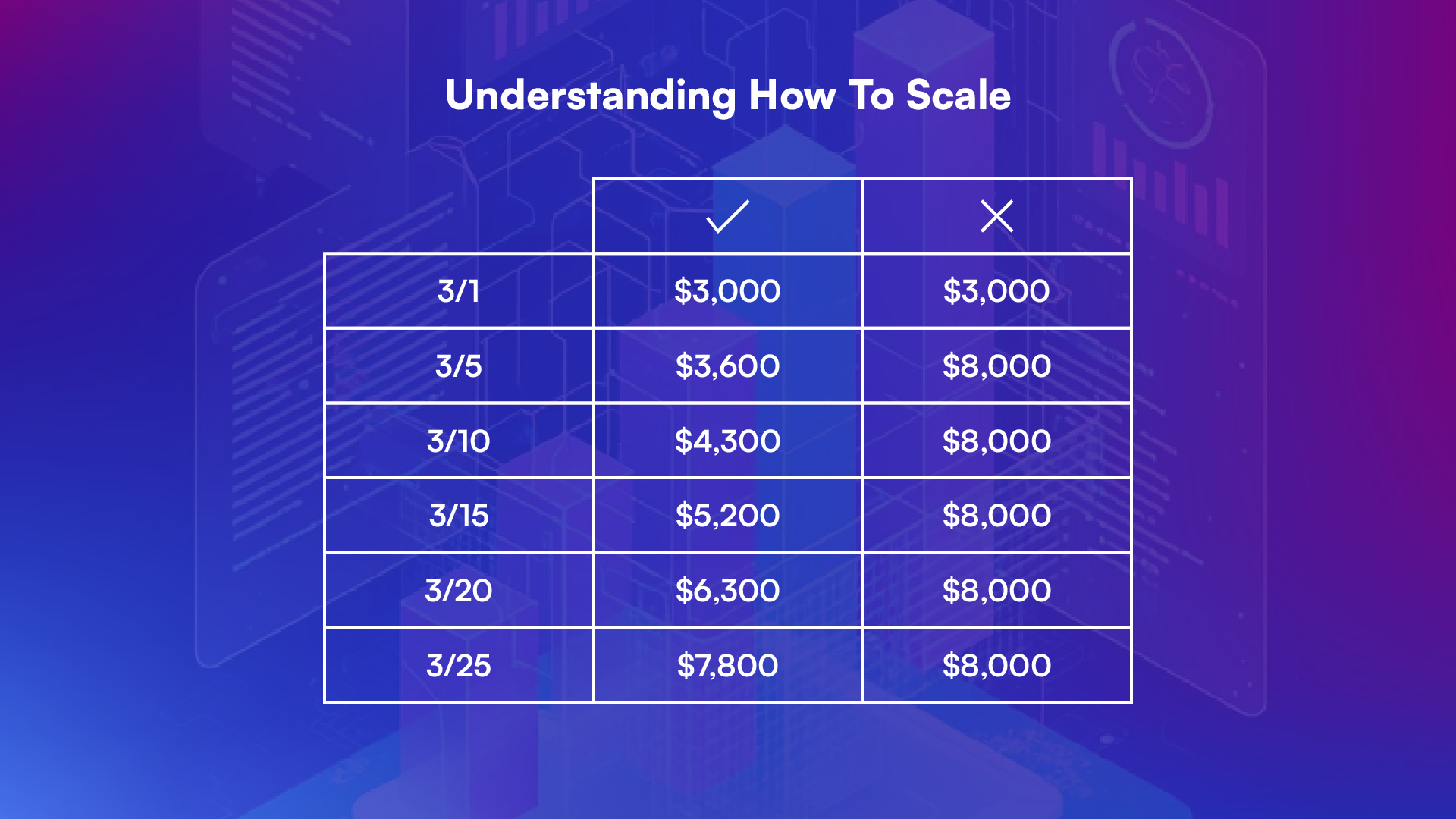
For example, let’s say you want to take your budget from $2,000/day to $10,000 a day on Meta. You could just 5x your budget at once and hope for the best. But this is a massive change in the “how much to spend per day” input in the system. With this, you risk destabilizing the system and throwing your performance into chaos.
You’re much better off increasing the budgets by 5-15% every few days and letting the system digest the changes.
Bids
The same is true for when you want to change your bid targets. If your target CPA on Google is $200, and you want to raise it to $300, you’re going to be much better off raising it in $25 increments over a couple of weeks than just ripping it up to $300.
Assets
You also want to think this way about assets, especially when it comes to Meta. While it’s not a massive issue to introduce a lot of new creative into an account, it can be removing a lot of active creative, especially ones that are getting a lot of spend. If you take ads that represent 50% of your active spend and turn them all off at once, you’re in for a rough time.
I Made A Huge Change And Destabilized My Account
Maybe you didn’t heed my advice. Maybe you absolutely had to make a big change to the account and you’ve destabilized it. This is a dangerous spot to be in and one that can make or break performance over a much longer period of time.
Your first reaction might be to undo the change, right? Wrong. There is no ctrl + z in these systems. Making another big change, even if it is undoing the last change risks further destabilization and the death spiral.
A death spiral is when you go from proactive to reactive and keep introducing more chaotic inputs into the system hoping that it will eventually stabilize. The most insidious part of the death spiral is it often starts when performance is great.
You’re thrilled with the performance so you massively increase your budgets. Performance tanks with the wildly increased budgets so you cut your CPA targets aggressively to bring performance back in line.
Spend tanks and performance still doesn’t improve so you crank your CPA targets even lower. Spend goes to zero so you push CPA targets back way up to get more spend in again.
Spend tanks and performance still doesn’t improve so you crank your CPA targets even lower. Spend goes to zero so you push CPA targets back way up to get more spend in again.
The chaotic loop keeps going, the system never has a chance to stabilize, and what was once promising performance now essentially has to be rebuilt from scratch.
It’s like dropping a rock into still water. It produces ripples but if you give it enough time they dissipate. You can’t keep dropping more rocks in hoping that the waves will cancel each other out and create stillness. You only create chaos.
So if you find yourself in a situation where there’s chaos in the account, the best approach is generally to not make any further changes and let the system find its new equilibrium. Then you can start gradually introducing more changes.
The Final Takeaway
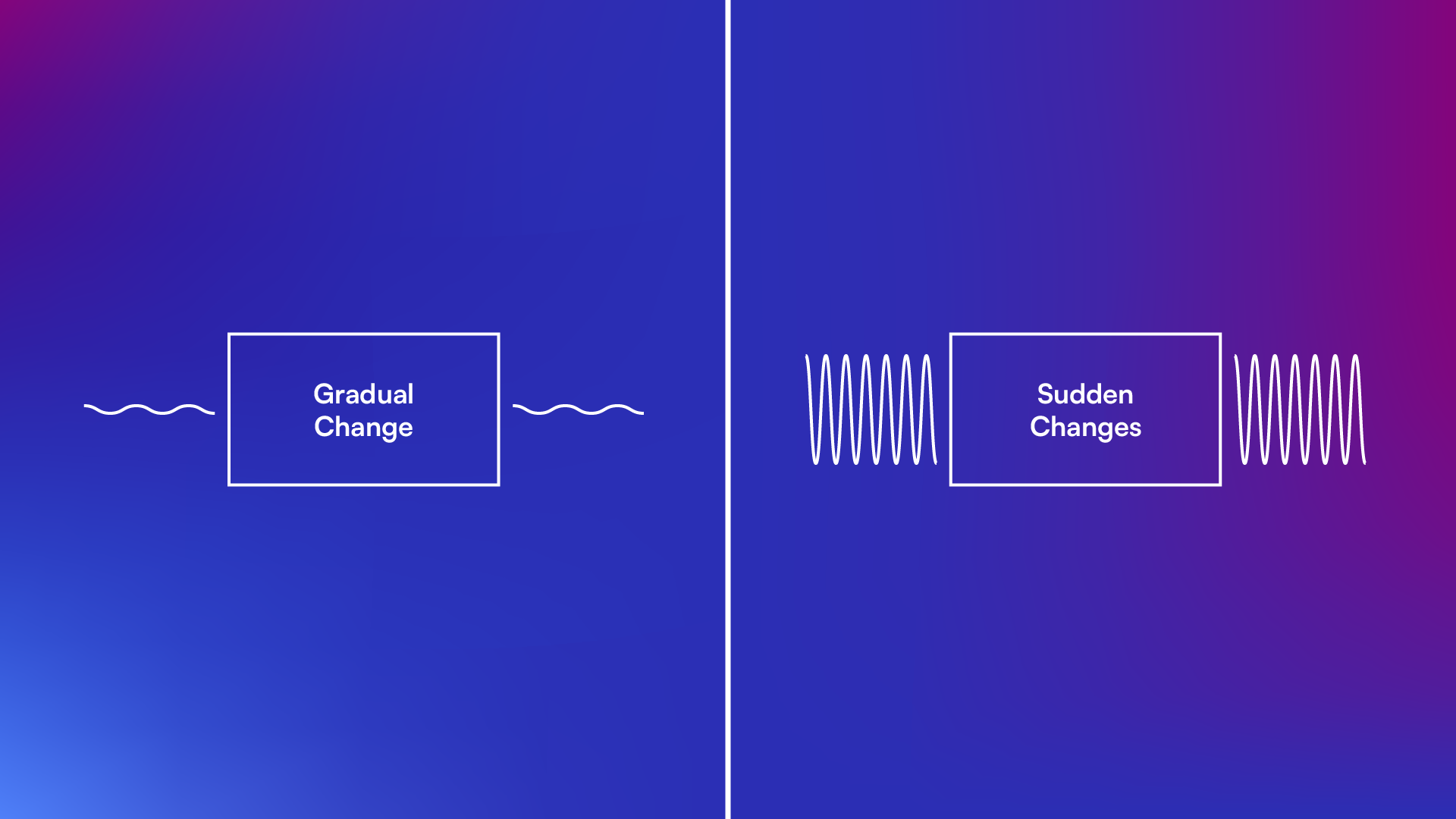
In order to get the performance from the Meta & Google ad algorithms you want, you need to understand how they function. Gradual changes to inputs with time for the systems to digest and establish a new equilibrium. This creates an environment of proactivity instead of reactivity, which is exactly where you want to be.
And if you’re struggling with stability in your advertising, get in touch. We’re happy to talk.